
Southeast Asian leaders are concluding their annual summit in Manila on Tuesday against a backdrop of trade uncertainty, energy concerns and ongoing maritime disputes.
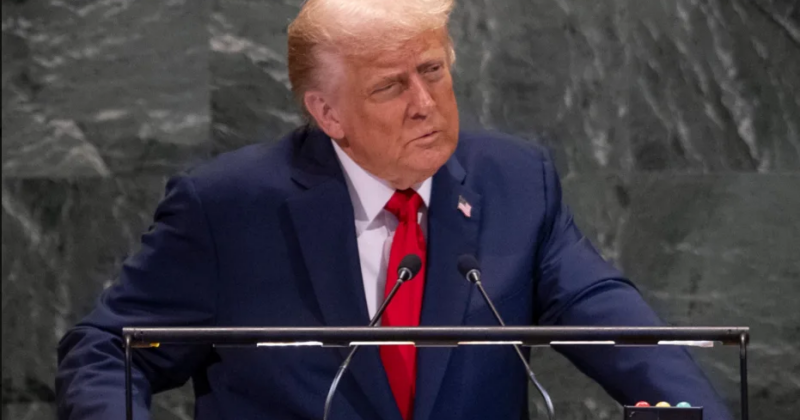
US President Donald Trump is scheduled to land in the Philippine capital the same day for talks with ASEAN leaders, a trade-related signing ceremony with Thailand, and the first leaders’ meeting of the Quad in two years. The grouping brings together the United States, Japan, Australia and India.
The White House has said the discussions will centre on peace, prosperity and security across the Indo-Pacific. The Quad session is expected to introduce a sharper geopolitical edge to the summit. Many observers regard the four-nation partnership as a response to China’s expanding influence in the region, although its members maintain it is not aimed at any single country.
Issues likely to feature include critical-minerals supply chains, maritime security and risks to commercial shipping lanes.
Trump’s stop in Manila comes shortly before he travels to Shenzhen for the Asia-Pacific Economic Cooperation forum, where he is due to hold three-way talks with Chinese President Xi Jinping and Russian President Vladimir Putin.
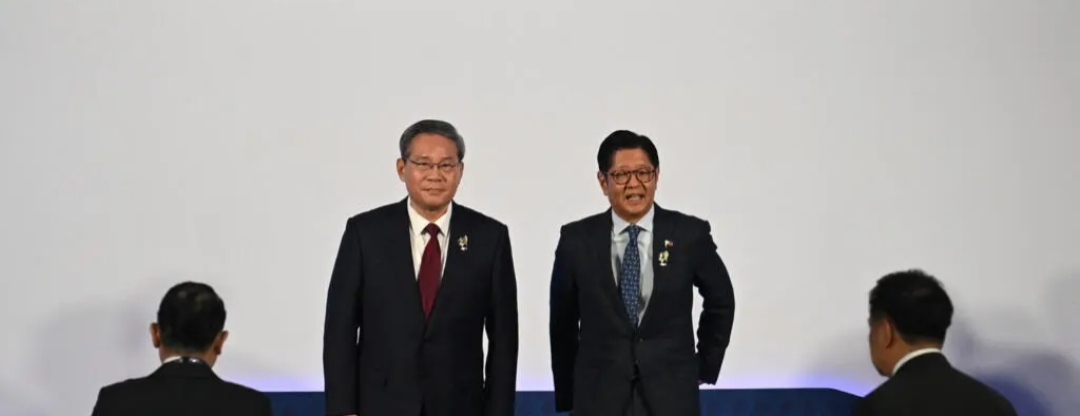
China, for its part, has sought to keep the emphasis on economic partnership. Premier Li Qiang told ASEAN leaders on Monday that relations between Beijing and Southeast Asia have become more mature and resilient. He reaffirmed China’s support for free trade at a time of rising protectionism.
The South China Sea continues to cast a long shadow. ASEAN and China missed Manila’s 2026 deadline for finalising a Code of Conduct in the disputed waters, even though provisional agreement has been reached on roughly 80 percent of the draft. Negotiations will resume under Singapore’s chairmanship in 2027, with remaining differences over the code’s legal force, geographic coverage and key definitions.
Philippine President Ferdinand Marcos Jr urged all parties to exercise restraint and pursue peaceful solutions, stressing that commitments to international law must be matched by concrete action.
The waterway is a vital artery for global shipping and holds significant energy resources. Overlapping territorial claims by China and several ASEAN states keep tension