
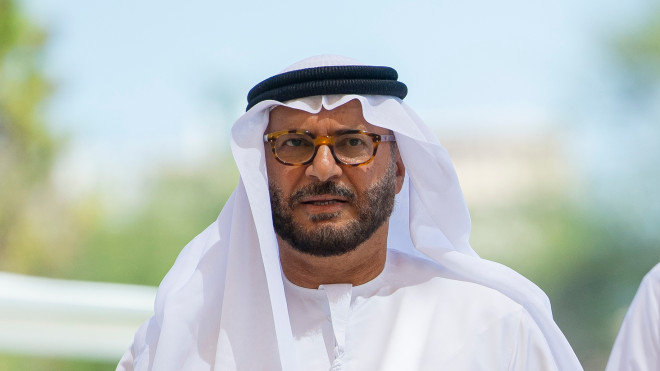
A senior United Arab Emirates official has dismissed accusations by Somali President Hassan Sheikh Mohamud that Abu Dhabi is meddling in Somalia’s internal affairs and undermining its sovereignty. The official instead accused the Somali leader of putting personal political interests ahead of the country’s national interests.
In a statement posted on X on Wednesday, Anwar Gargash, diplomatic adviser to UAE President Sheikh Mohamed bin Zayed Al Nahyan, said Hassan Sheikh’s claims reflected shifting political positions rather than genuine concerns. The remarks followed a televised national address by the Somali president a day earlier in which he alleged that the UAE had given financial, political and security support to factions opposed to the federal government, set up military facilities outside Mogadishu’s control, and weakened Somalia’s unity.
Gargash defended the UAE’s long-standing ties with Somalia, stressing that Abu Dhabi had supported the Somali people through some of their most difficult periods. “The UAE has stood by Somalia and its people in their darkest hours, and we regret that internal power struggles are dragging Somalia into regional disputes that do not serve its people’s interests or their aspirations for security and stability,” he said.
He warned against allowing Somalia’s domestic political disagreements to spill into wider regional confrontations, arguing that such escalation would not benefit ordinary Somalis. “Our relationship with the Somali people will remain deeper and stronger than fleeting political disputes, personal calculations and political ambitions,” Gargash added.
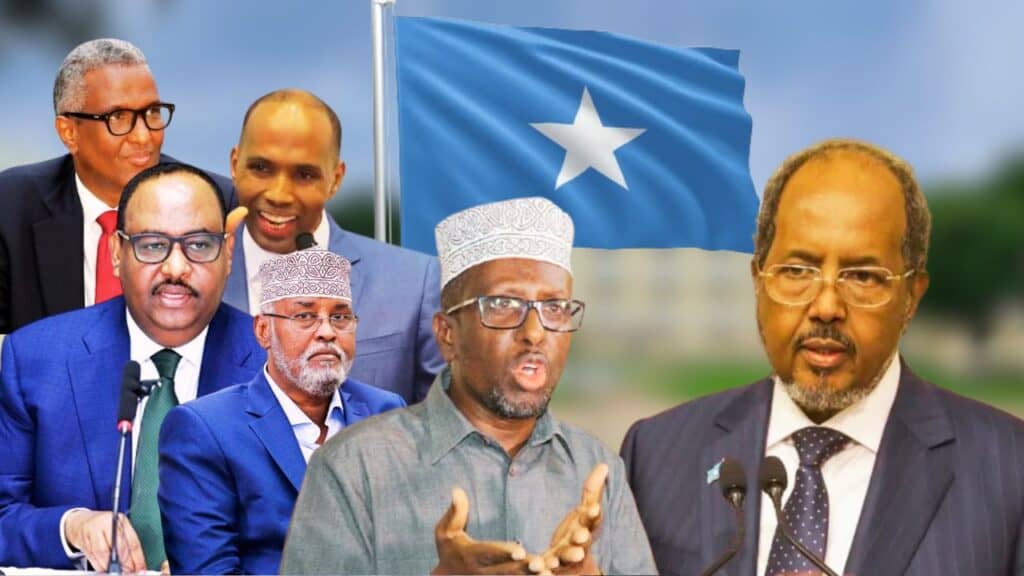
In his Tuesday address, Hassan Sheikh criticised agreements the UAE has reached with the regional administrations of Somaliland, Puntland and Jubaland concerning the ports of Berbera, Bosaso and Kismayo. He insisted such deals should only be negotiated through the federal government. He also accused the UAE of backing armed groups and regional authorities at odds with Mogadishu — claims that have not been independently verified.
The Somali president further faulted the UAE for not joining Arab and Muslim countries in condemning Israel’s recognition of Somaliland in December 2025, and for allegedly allowing a Yemeni separatist leader to transit through Berbera in January without federal authorisation. He defended his government’s decision earlier this year to cancel defence, security and economic cooperation agreements with the UAE, describing the move as essential to safeguarding Somalia’s sovereignty and territorial integrity.
On Wednesday, Somalia’s Foreign Ministry issued a statement rejecting what it called continued Emirati interference. The ministry insisted that foreign governments must channel official relations and security arrangements through federal institutions rather than strike parallel deals with regional administrations, and warned that Somalia would take lawful steps to protect its sovereignty, territorial integrity and national unity.
The exchange comes against a backdrop of wider tensions between Mogadishu and several regional administrations over constitutional changes, political representation and the electoral timetable. Gargash’s reference to Hassan Sheikh as an “outgoing” president also touches on an ongoing dispute over the length of the Somali leader’s mandate. Opposition groups maintain that his four-year term ended in May 2026, while the federal government argues that constitutional amendments extending presidential and parliamentary terms provide a legal basis for elections in 2027.