
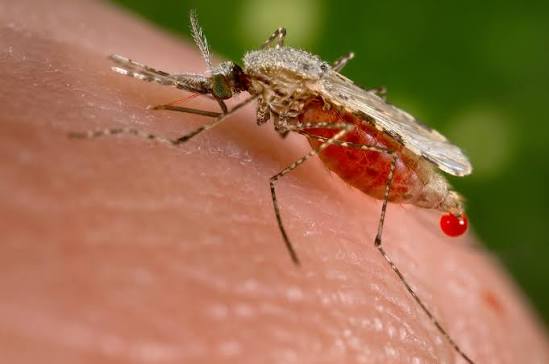
Kenya is facing a potential increase in malaria cases as the El Niño rains create favourable conditions for mosquito breeding, raising concerns about the country’s preparedness amid declining use of treated mosquito nets.
The Kenya Meteorological Department has forecast above-average rainfall between October and December 2026, with November expected to record the heaviest rainfall. The wet conditions could continue into early 2027.
Heavy rains often leave stagnant water in residential areas, farms and drainage systems, providing breeding grounds for mosquitoes. This can lead to increased malaria transmission in the weeks following prolonged rainfall.
Kenya has experienced similar outbreaks before. During the 1997–1998 El Niño rains, Wajir recorded 23,377 malaria cases between February and May 1998, affecting approximately 39 per cent of the population, according to published research.
The historical outbreak highlighted the importance of early intervention, with delayed mosquito control measures contributing to the spread of infections.
The government has since activated its El Niño preparedness plan in 18 high-risk counties. The Ministry of Health also plans to distribute 10 million insecticide-treated mosquito nets from November, targeting more than four million vulnerable people.
However, recent survey findings indicate that protection against malaria has weakened.
The 2025–2026 Kenya Mini Demographic and Health Survey shows that household ownership of treated mosquito nets declined from 54 per cent in 2022 to 41 per cent.
The proportion of people sleeping under mosquito nets also dropped from 43 per cent to 32 per cent. Among children under five, usage fell from 51 per cent to 42 per cent.
Despite these concerns, malaria cases declined from 104 per 1,000 people in 2023 to 72 per 1,000 in 2025, according to figures previously released by the Ministry of Health.
Meanwhile, efforts to improve malaria prevention are expected to receive a boost in 2027, when the price of the RTS malaria vaccine is projected to fall by approximately 40 per cent, from €9.30 to €5.50 per dose.
The price reduction, supported by UNICEF and Gavi, could expand vaccine access and protect up to one million additional African children.
However, the cheaper vaccine will not arrive in time to address the immediate risks associated with the current rainy season.
Health authorities are therefore expected to rely heavily on mosquito net distribution, early diagnosis, timely treatment and improved disease surveillance to prevent a possible malaria outbreak.